The Unseen Canvas: How Jewelry Design Competitions Are Transforming Raw Materials into Wearable Poetry
In the world of haute couture and luxury adornment, jewelry design competitions have emerged as the silent architects of innovation, where raw materials are not merely shaped but transformed into narratives of elegance, rebellion, and emotion. These contests are no longer just platforms for showcasing technical prowess; they have evolved into incubators of creativity, where designers are encouraged to push boundaries, challenge conventions, and redefine what it means to wear art. From the gleam of a meticulously cut gemstone to the bold lines of an avant-garde silver cuff, these competitions are where the future of jewelry is being forged, one daring design at a time.
The Alchemy of Competition: Where Ideas Take Flight
At the heart of every jewelry design competition lies a simple yet profound question: What if? What if gold could tell a story? What if a diamond could capture the essence of a fleeting moment? What if a piece of jewelry could be more than an accessory—what if it could be a manifesto? These competitions provide the space for designers to explore these questions, offering them not just a stage, but a laboratory where experimentation is not only permitted but celebrated. The International Jewelry Awards, for instance, have become synonymous with groundbreaking designs that blur the lines between jewelry and sculpture, where wearable art is not just seen but experienced.
For emerging designers, these contests are often the first opportunity to step out of the shadows and into the spotlight. The pressure of deadlines, the scrutiny of expert judges, and the thrill of seeing their work alongside established names create an environment where only the most innovative and resilient thrive. It’s a crucible where raw talent is refined, and where the next generation of master artisans is born. The journey from concept to creation is fraught with challenges—technical limitations, material constraints, and the ever-present fear of failure—but it is precisely these obstacles that fuel the creative fire, pushing designers to think beyond the conventional and embrace the extraordinary.
Sustainability as a Creative Catalyst
In recent years, the conversation around jewelry design has expanded to include not just aesthetics and craftsmanship, but also ethics and sustainability. Competitions like the Sustainable Jewelry Contest have become pivotal in driving this shift, challenging designers to reimagine luxury without compromise. The demand for ethically sourced materials, recycled metals, and eco-friendly production methods has given rise to a new wave of creativity, where innovation is measured not just by beauty, but by impact. Designers are now tasked with creating pieces that are not only visually stunning but also kind to the planet, proving that sustainability and opulence can coexist.
This movement has also sparked a renaissance in traditional techniques, as designers rediscover age-old methods that minimize waste and maximize the potential of every material. From hand-forged silver to repurposed gemstones, the focus has shifted toward craftsmanship that honors both the past and the future. The result is a new aesthetic—one that is rooted in authenticity, where every imperfection tells a story, and every piece carries the weight of its journey from earth to adornment. Competitions that champion these values are not just shaping the future of jewelry; they are redefining what it means to be a designer in the 21st century.
The Digital Frontier: Where Technology Meets Tradition
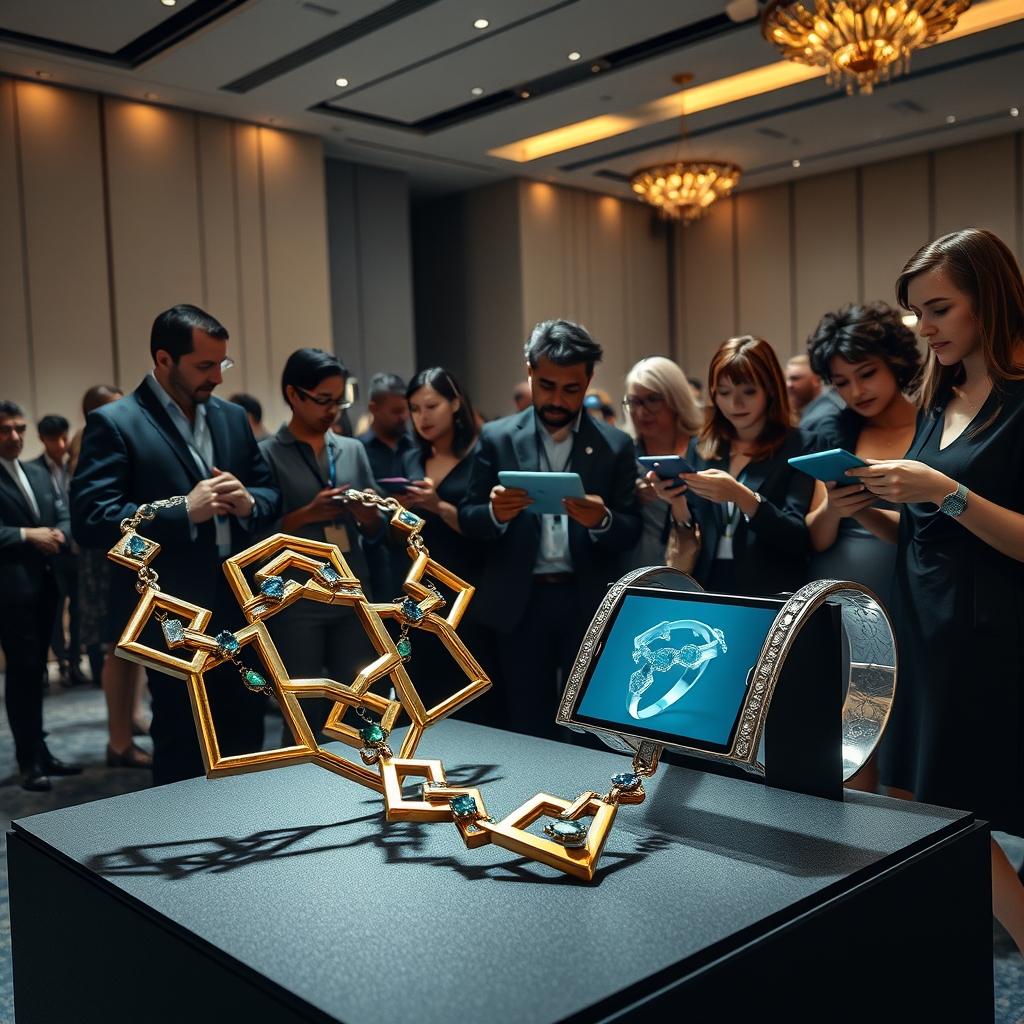
The rise of digital jewelry design has opened up a world of possibilities, allowing designers to experiment with forms and structures that were once unimaginable. Competitions like the Digital Jewelry Design Contest have become a playground for innovation, where 3D modeling, virtual reality, and AI-driven design tools are used to create pieces that defy the laws of physics. These technologies have democratized the design process, making it accessible to a new generation of creators who may not have traditional training but possess a vision that is limitless.
Yet, even in this digital age, the human touch remains irreplaceable. The most successful designs are those that strike a balance between cutting-edge technology and timeless craftsmanship. A piece may begin as a digital rendering, but it is the hands of a skilled artisan that bring it to life, adding the nuances and details that make it uniquely human. This fusion of old and new is what makes contemporary jewelry design so exciting—it is a field where tradition and innovation are not at odds, but in dialogue, each pushing the other to new heights.
The Global Stage: Where Cultures Collide and Inspire
Jewelry design competitions are inherently global, drawing participants and audiences from every corner of the world. This diversity is their greatest strength, as it brings together a multitude of perspectives, techniques, and cultural influences. A designer from Tokyo might draw inspiration from the delicate art of origami, while a creator from Johannesburg could incorporate the bold patterns of African beadwork. The result is a melting pot of ideas, where the exchange of knowledge and creativity knows no borders.
These competitions also serve as a bridge between cultures, fostering a deeper appreciation for the rich history and traditions that inform contemporary design. A piece that wins the Luxury Jewelry Awards might be celebrated for its modern aesthetic, but its roots could lie in centuries-old techniques passed down through generations. This interplay between heritage and innovation is what gives jewelry its soul, transforming it from mere ornamentation into a powerful form of cultural expression.
The Future of Adornment: Beyond the Expected
As jewelry design competitions continue to evolve, they are increasingly becoming a platform for social and political commentary. Designers are using their craft to address issues like gender equality, climate change, and identity, turning jewelry into a medium for activism. A necklace might challenge traditional notions of femininity, while a ring could serve as a symbol of resistance. These pieces are not just accessories; they are statements, carrying messages that resonate far beyond the runway.
The most exciting aspect of this evolution is its unpredictability. The future of jewelry design is not being dictated by a single trend or movement, but by a multitude of voices, each bringing their own unique perspective to the table. Competitions are the catalysts for this change, providing the space and the resources for designers to experiment, innovate, and inspire. They are where the next iconic piece will be born, where the boundaries of what jewelry can be will be pushed, and where the art of adornment will continue to captivate and enchant for generations to come.
In a world where fashion is often fleeting, jewelry remains a timeless testament to human creativity. It is a language without words, a form of expression that transcends time and culture. And at the heart of this enduring art form are the competitions that nurture its growth, challenging designers to dream bigger, create bolder, and redefine what it means to wear a piece of the world’s most exquisite artistry. Whether through the precision of a goldsmith’s hammer or the vision of a digital designer’s screen, these contests are where the magic happens—where raw materials are transformed into something truly extraordinary, and where the future of jewelry is written, one design at a time.