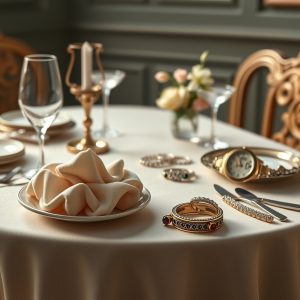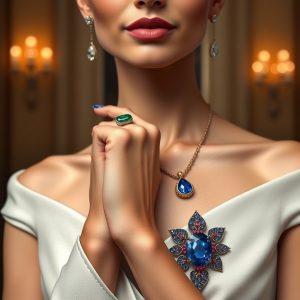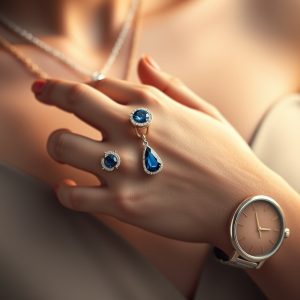
The Enduring Charm of Vintage Jewelry: A Journey Through Time and Craftsmanship
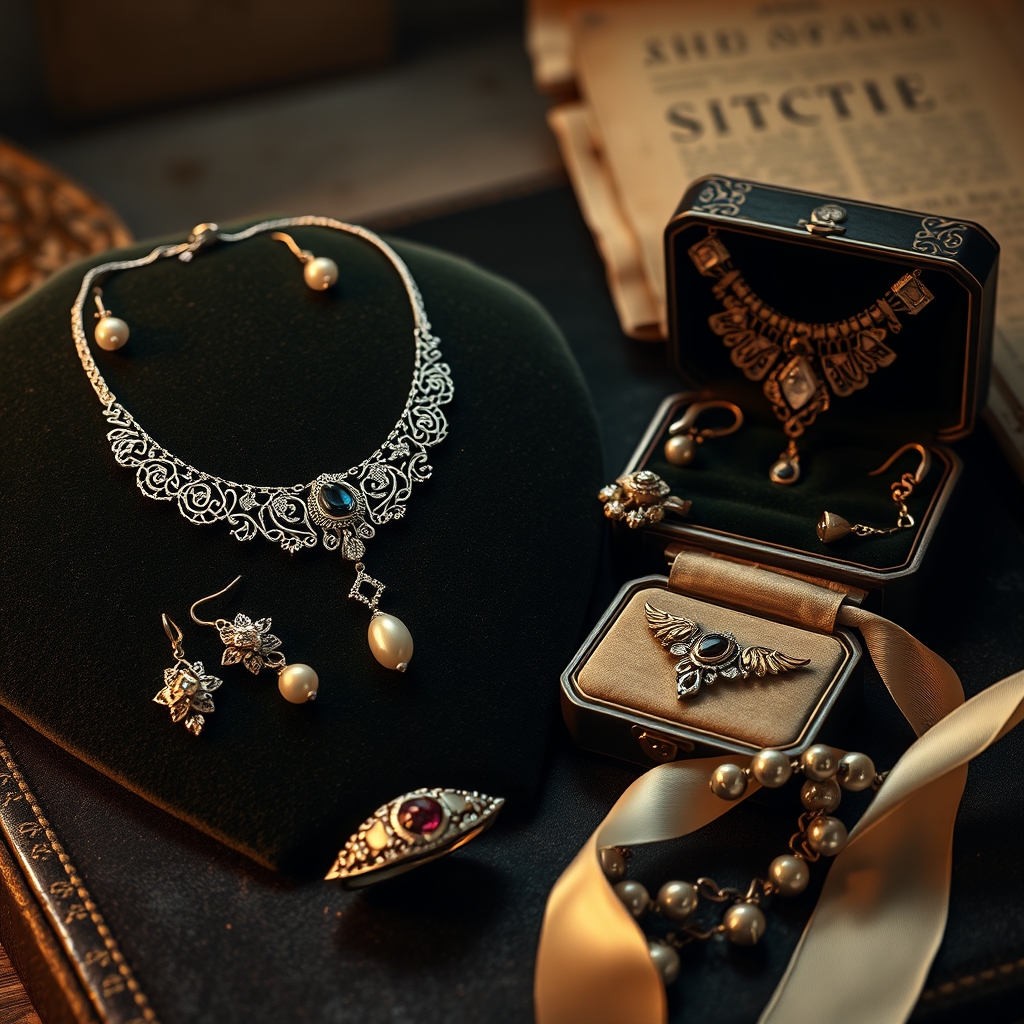
There is something inherently magical about vintage jewelry—a whisper of history, a touch of romance, and an unmistakable aura of craftsmanship that modern pieces often struggle to replicate. Unlike mass-produced adornments, vintage jewelry carries the stories of its previous owners, the hands that meticulously shaped it, and the eras that inspired its design. Whether it’s a delicate pearl earring passed down through generations or a bold ruby brooch that once graced the lapel of a 1920s socialite, these pieces are more than accessories; they are tangible connections to the past.
The Allure of Age and Patina
One of the most captivating aspects of vintage jewelry is its patina—the subtle signs of wear that tell a story. A gold ring with a slightly softened edge or a silver bracelet with a warm, aged luster doesn’t just reflect light; it reflects time. This natural aging process is often sought after by collectors and enthusiasts, as it adds depth and character to a piece. Unlike brand-new jewelry, which can sometimes feel sterile or impersonal, vintage items exude warmth and individuality, making them perfect for those who appreciate the beauty of imperfection.
Patina is not just about wear; it’s also about the materials used. Older jewelry often features higher-quality metals and gemstones than many contemporary pieces. For instance, a diamond necklace from the Art Deco period might boast hand-cut stones with a brilliance that modern machine-cut diamonds can’t always replicate. Similarly, the gold used in vintage pieces is frequently of a higher karat, lending a richer, more luxurious feel to rings, bracelets, and pendants.
Designs That Transcend Time
Vintage jewelry is a treasure trove of design inspiration, with each era offering its own distinct aesthetic. The Victorian era, for example, was known for its romantic and sentimental motifs, such as lockets, cameos, and intricate floral designs. A sapphire pendant from this period might feature delicate filigree work, symbolizing love and devotion. In contrast, the Art Nouveau movement embraced nature-inspired designs, with flowing lines and whiplash curves that mimicked vines, flowers, and even mythical creatures. A platinum choker from this era could be adorned with enamel work and semi-precious stones, creating a piece that feels like a wearable work of art.
The Art Deco period, which flourished in the 1920s and 1930s, brought a bold, geometric energy to jewelry design. Think of the sharp angles, symmetrical patterns, and vibrant color contrasts that defined this era. A statement necklace from this time might feature black onyx, coral, and diamonds arranged in a striking, modernist composition. Meanwhile, the mid-20th century saw a rise in retro jewelry, characterized by chunky gold designs, oversized gemstones, and a playful, almost theatrical flair. A emerald ring from the 1940s, for instance, might be set in a bold, sculptural gold setting, reflecting the optimism and glamour of the post-war era.
The Craftsmanship Behind the Beauty
One of the most remarkable aspects of vintage jewelry is the level of craftsmanship that went into its creation. Before the advent of modern technology, jewelers relied on hand tools, meticulous techniques, and an almost obsessive attention to detail. Techniques like hand engraving, granulation (a method of fusing tiny gold beads onto a surface), and repoussé (hammering metal from the reverse side to create a raised design) were common in vintage pieces but are rarely seen in contemporary jewelry. These methods required not only skill but also patience, as each piece could take weeks or even months to complete.
Another hallmark of vintage craftsmanship is the use of high-quality settings. For example, a wedding band from the early 20th century might feature a hand-forged platinum setting, which is not only more durable than gold but also provides a secure and elegant backdrop for diamonds or other gemstones. Similarly, the prong settings in vintage rings were often handcrafted to ensure that each stone was held securely while allowing maximum light to pass through, enhancing its brilliance. This level of detail is a testament to the dedication of the artisans who created these pieces, many of whom were true masters of their craft.
Investing in Vintage: More Than Just a Purchase
For many, buying vintage jewelry is not just about acquiring a beautiful piece; it’s about making an investment—both financially and emotionally. Vintage jewelry often appreciates in value over time, especially if it’s a rare or highly sought-after piece. For instance, a gemstone tiara from the Edwardian era or a custom cufflink set from the 1930s can fetch high prices at auctions, as collectors and historians recognize their significance. Even more accessible pieces, like a vintage bridal set or a handcrafted bangle, can become cherished heirlooms, passed down through families as symbols of love and legacy.
Beyond the financial aspect, vintage jewelry offers a sense of connection—to history, to craftsmanship, and to the people who wore these pieces before. Wearing a crystal anklet that once adorned the ankle of a flapper in the Roaring Twenties or a luxury watch that graced the wrist of a 1950s Hollywood star can feel like stepping into a story. It’s a way to honor the past while adding a touch of timeless elegance to the present.
In a world where fast fashion and disposable trends dominate, vintage jewelry stands as a reminder of the value of longevity and authenticity. These pieces were not designed to be worn for a season and then discarded; they were created to last, to be cherished, and to be passed on. Whether you’re drawn to the intricate designs of the Victorian era, the bold geometries of Art Deco, or the romantic flourishes of the Edwardian period, vintage jewelry offers a way to wear history—and to make it your own. Each piece is a testament to the enduring power of beauty, craftsmanship, and the stories that connect us all.